
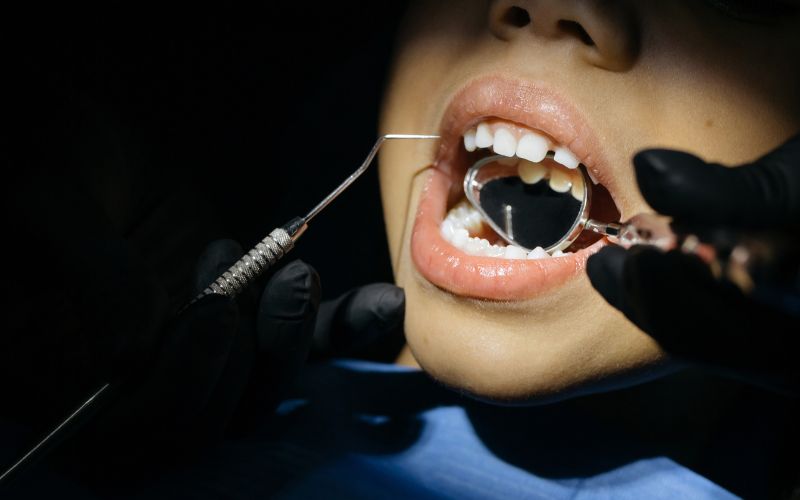
Most people picture a child in a dentist’s chair when they hear the words dental sealants. A dental hygienist paints on a thin coating, the light cures it in seconds, and a newly erupted molar gets a layer of extra protection. What rarely comes up in that mental picture is a grown adult sitting in the same chair for the same reason. Yet more dentists are recommending sealants well past the pediatric years, and for good reason: the grooves in your molars do not fill in or smooth out just because you turned 30, 40, or 60.
Tooth decay is not something you outgrow. Genetics, diet, medications, and the natural wear of daily life can all leave adult back teeth exposed to the same bacteria-trapping grooves that put children at risk. If you have ever wondered whether a sealant could help you avoid another filling, here is what the evidence and clinical practice actually say.
What Are Dental Sealants and How Do They Work?
A dental sealant is a thin coating, usually a composite resin or plastic material, applied to the chewing surfaces of the back teeth (the premolars and molars). These teeth are covered in natural pits and fissures that are narrower than a single bristle on a toothbrush.
Brushing well simply cannot reach the bottom of a deep fissure. Food particles and bacteria settle into these grooves, and over time, acid produced by that bacteria wears through enamel from the inside out. A sealant closes off that space before decay has a chance to start, acting as a smooth, easy-to-clean barrier over the tooth’s most vulnerable surface.
According to the American Dental Association, sealants are one of the most well-studied preventive treatments in modern dentistry and are considered safe for both children and adults when applied to sound, decay-free enamel.
Can Adults Get Dental Sealants?
Yes. There is no upper age limit on getting a dental sealant, and many adults are excellent candidates. Insurance history is partly why sealants get associated with childhood: most dental plans built their preventive benefits around children’s teeth decades ago, and coverage has been slower to catch up for adults. That is a billing quirk, not a clinical rule.
What actually determines candidacy is the condition of the tooth itself, not the patient’s birth year. A molar that is free of decay and has not already been restored with a large filling or crown can typically be sealed, whether the patient is 8 or 68.
Why Adults May Want to Consider Dental Sealants
A common assumption is that if you made it through childhood without major cavities, your enamel is somehow immune for life. In practice, several adult-specific factors can raise cavity risk later, sometimes even after decades of a clean dental record.
Naturally deep grooves in the molars. Some people are simply born with narrower, deeper fissures than others. If that describes your bite, the risk those grooves carry does not go away with age; it just keeps accumulating exposure over the years.
Dry mouth, medically known as xerostomia, is one of the most overlooked contributors to adult decay. Saliva neutralizes the acids produced by oral bacteria and washes away food debris throughout the day. Aging, chronic stress, and a long list of common prescriptions, including blood pressure medications, antihistamines, and antidepressants, can all reduce saliva flow. Less saliva means more acid exposure on tooth surfaces that were previously well protected.
Gum recession changes the picture too. As gums naturally pull back with age, tighter brushing habits, or gum disease, new surfaces and tighter spaces between teeth become harder to clean and more prone to plaque buildup.
And then there is diet. A coffee habit, a soda at lunch, or a steady stream of snacks throughout a long workday all keep enamel under near-constant acid attack, wearing down its natural resistance over time.
Signs You Might Be a Good Candidate for Adult Sealants
A dentist can evaluate whether sealants make sense for you during a routine checkup and cleaning. You may be a strong candidate if the following apply:
Your molars are currently cavity-free, since sealants are placed over sound, natural enamel rather than over existing decay. You also have visibly deep pits and fissures on your chewing surfaces, the kind that trap food no matter how carefully you brush. If you have developed new cavities within the last year or two despite reasonably consistent home care, an added layer of protection can help break that pattern. Adults who already have restorations on some teeth are also good candidates for sealing whatever natural, unrestored teeth remain, since protecting what is left reduces the odds of needing a crown or more extensive restorative work later.
When Sealants Are Not the Right Fit
Sealants prevent decay; they do not reverse it. A dentist will typically recommend against sealing a tooth in a few specific situations:
The tooth already has active decay beneath the surface.
The tooth has an existing large filling or a full crown.
The chewing surface has been worn smooth from years of grinding (bruxism) or acid erosion, leaving no groove structure left to protect.
If bruxism is part of the picture, it is worth addressing separately. Ongoing pressure from grinding can wear through a sealant just as easily as it wears through enamel, so a custom nightguard is often recommended alongside or instead of sealants for these patients.
The Application Process: Fast, Simple, and Painless
Placing a sealant is one of the simplest procedures performed in a dental office. There is no drilling, no removal of healthy tooth structure, and no need for anesthesia.
Cleaning. The tooth is thoroughly cleaned and dried.
Preparation. A mild etching gel is applied briefly to roughen the enamel at a microscopic level, which helps the sealant bond securely.
Rinsing and drying. The gel is rinsed away and the tooth is dried completely.
Application. The liquid sealant material is painted directly into the grooves of the tooth.
Curing. A curing light hardens the material within seconds, forming a smooth protective layer.
Most patients can eat and drink normally the moment they leave the chair.
How Long Do Dental Sealants Last on Adult Teeth?
Under normal biting and chewing forces, a well-placed sealant can last up to 10 years, though wear varies by individual habits and diet. Your dentist checks the sealants during routine cleanings and exams, watching for chipping or thinning. If a sealant does wear down, it is a quick, low-cost visit to have it touched up or reapplied, so protection does not lapse unnoticed.
Sealants and the Bigger Preventive Picture
Sealants work best as one part of a broader preventive routine rather than a stand-alone fix. Pairing them with regular fluoride treatments gives you two forms of protection working on different surfaces: sealants block out the deep grooves that brushing cannot reach, while fluoride strengthens the enamel across the entire tooth. Patients managing dry mouth or frequent new cavities often benefit most from combining the two.
If a molar has already progressed past the point where a sealant would help, options like dental fillings or, for more significant damage, inlays and onlays become the more appropriate next step. Ask your dentist to walk through where your teeth currently stand so you are choosing the right level of care rather than guessing.
Protect Your Smile with Preventive Care in Flushing, NY
Preventive dentistry exists to help you keep your natural teeth for as long as possible and avoid the cost and time of more involved restorative work later. Alongside consistent home care and professional fluoride treatments, sealants offer adults a simple, affordable way to protect hard-to-reach molars from decay.
If you want to know whether sealants are right for your smile, Queens Crossing Dental provides thorough evaluations and treatment plans built around your specific risk factors. We proudly serve patients throughout Flushing, Whitestone, Bayside, and the surrounding communities.
FAQs
Q. Are dental sealants safe for adults?
Yes. Sealants are made from medical-grade resins that have been studied and used safely in dentistry for decades, for both children and adults.
Q. Will getting sealants change how my bite feels?
You may notice a subtle difference for the first day or two. As you chew normally, the material settles in and the sensation becomes unnoticeable.
Q. Are dental sealants covered by adult dental insurance?
Coverage varies significantly by plan, since many policies were built around pediatric preventive benefits. If you are not covered, our in-house dental plan can help keep preventive treatments like sealants affordable.
Q. Can I get sealants if I already have fillings in other teeth?
Yes. As long as the specific molars receiving sealants are healthy and free of decay or restorations on their chewing surfaces, they remain good candidates for sealing.
Q. Do sealants replace the need for regular cleanings?
No. Sealants protect one specific part of the tooth. Routine cleanings and exams remain essential for catching decay elsewhere and keeping gums healthy.
Ready to find out if sealants are right for you? Contact Queens Crossing Dental to schedule an evaluation, or learn more about our approach to dental sealants and general dentistry.
Recent Comments