
Dental Sealants in Flushing, NY
Quick, Painless Protection Against Cavities

Dental Sealants for Long-Lasting Cavity Protection
Below, we will get into how sealants actually work, who tends to be a good fit, what the visit looks like, and how they fit alongside our other cavity prevention services in Flushing.
What Are Dental Sealants and How Do They Help Prevent Cavities?
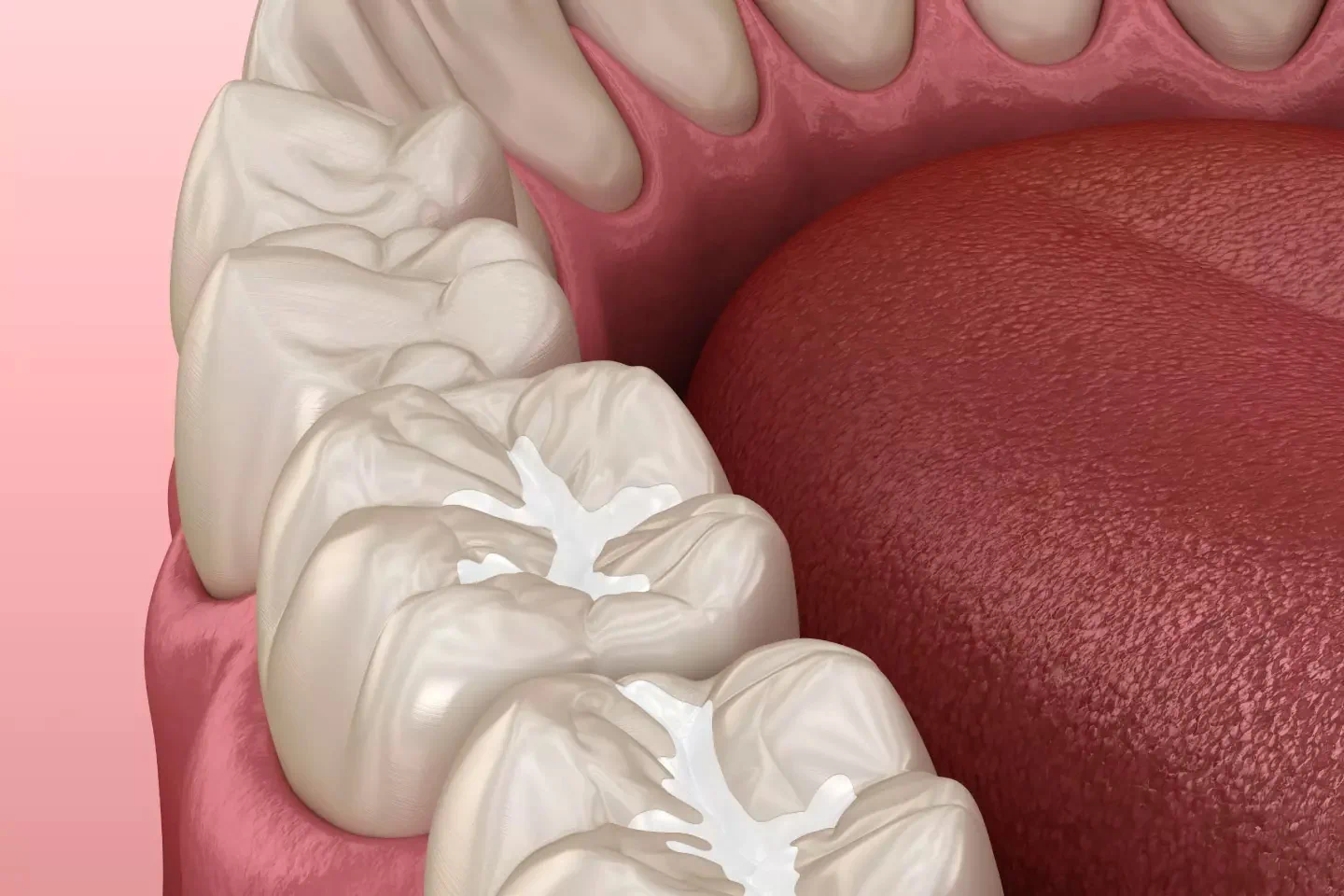
Dental sealants are thin protective coatings applied to the chewing surfaces of the back teeth, typically the molars and premolars. These teeth have natural grooves and pits that make them harder to clean thoroughly with a toothbrush alone, which is part of why they are more prone to decay. A sealant fills in those grooves, creating a smoother surface that is easier to keep clean.
Sealants are one piece of a larger picture when it comes to cavity prevention services in Flushing. On their own, they are not a replacement for brushing, flossing, and regular dental visits, but they can add an extra layer of defense in the areas that are hardest to reach.
What Happens During a Dental Sealant Appointment?
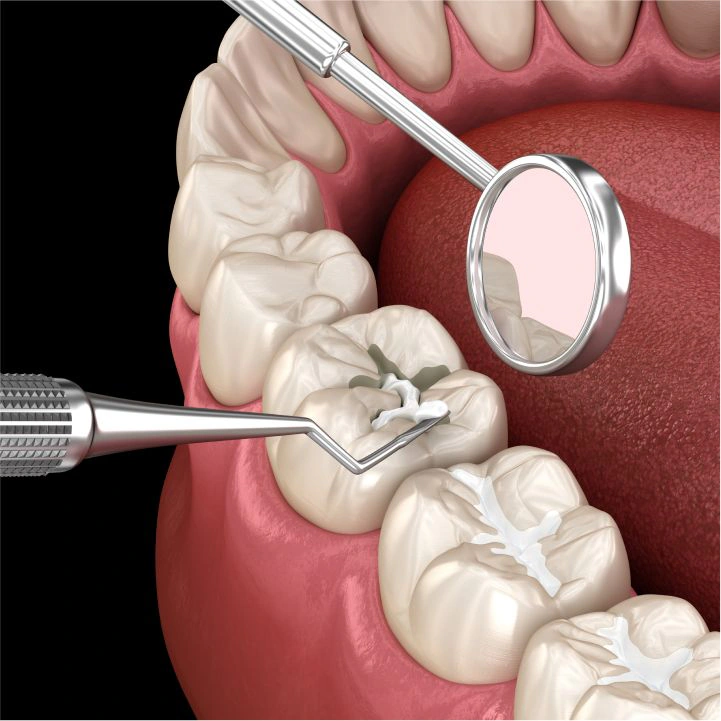
One of the appealing things about sealants is how simple the process tends to be. There is generally no need for anesthesia or drilling, and most patients find the appointment quick and comfortable. Here is a general idea of what to expect:

-
- Cleaning the tooth surface: The tooth is cleaned and dried to prepare it for the sealant material.
- Applying an etching solution: A mild solution is applied briefly to help the sealant bond effectively, then rinsed away.
- Placing the sealant: The liquid sealant material is painted onto the grooves of the tooth.
- Curing the sealant: A special light is used to harden the material so it bonds securely to the tooth.
The entire process for one tooth usually takes just a few minutes, which makes it manageable even for younger patients who may feel nervous about dental visits.
How Long Do Dental Sealants Last?
Sealants are designed to hold up for several years under normal use, though how long they last can vary depending on diet, oral hygiene habits, and how much wear the back teeth experience over time. Sealants are checked during regular dental visits, and if one has worn down or chipped in an area, it can typically be touched up or reapplied. This is one of the reasons routine checkups matter even after sealants are placed, since keeping an eye on their condition is part of maintaining the protection they offer.
Sealants and Other Cavity Prevention Services in Flushing
Sealants work best as part of a broader prevention strategy rather than a standalone fix. At Queens Crossing Dental, our cavity prevention services in Flushing typically include a combination of the following, depending on what each patient needs:
- Routine cleanings to remove plaque and tartar buildup.
- Fluoride treatments to help strengthen tooth enamel.
- Sealants for teeth with deep grooves or a higher risk of decay.
- Guidance on brushing technique, flossing habits, and diet choices that affect oral health.
- Regular exams to catch early signs of decay before they progress.
Combining these approaches tends to give patients a more complete picture of prevention than relying on any single treatment alone.

Who Should Consider Getting Dental Sealants?
Sealants are most often associated with children because their newly erupted permanent molars often have deep grooves that can be difficult to clean effectively while they are still developing good oral hygiene habits. That said, sealants are not limited to kids. A few groups who commonly benefit include:
- Children and teens with newly erupted permanent molars.
- Adults with deep grooves or pits in their back teeth who have not had cavities in those areas yet.
- Patients who have a history of frequent cavities, particularly in the back teeth.
- Anyone whose dentist has identified tooth anatomy that is difficult to clean effectively with brushing alone.
During a routine exam, our team can take a look at your teeth or your child’s teeth and let you know whether sealants make sense based on what we see.
Schedule Your Dental Sealant Visit in Flushing, NY
If you are curious whether sealants will be beneficial for you or your child, Queens Crossing Dental is happy to take a look and talk through the options during a routine visit. Reach out to schedule an appointment for dental sealants in Flushing, NY, and let us help build a prevention plan that fits your family’s needs. Call our office or request an appointment online to get started.

FAQs
Do dental sealants hurt?
No anesthesia is typically needed for sealant placement, and most patients describe the process as painless. There is no drilling involved for a standard sealant application.
At what age should kids get sealants?
Sealants are commonly placed once permanent molars have fully erupted, which is often somewhere between ages six and twelve, though this can vary by child.
Can adults get dental sealants too?
Yes, adults without existing fillings or decay in their back teeth may still be good candidates, particularly if their molars have deep grooves that are hard to clean.
Are sealants covered by dental insurance?
Many dental insurance plans offer some coverage for sealants, especially for children, though benefits vary by plan. Our team can help you check your specific coverage before treatment.
Do sealants replace the need for fluoride or good brushing habits?
No, sealants are meant to work alongside good oral hygiene and fluoride use, not in place of them. Brushing, flossing, and routine visits remain an important part of protecting your teeth.
How do I know if I need a sealant reapplied?
Sealants are checked at regular dental visits, and if wear or chipping is noticed, your dentist can let you know whether a touch-up or reapplication makes sense.
Our Office
Address
136-20 38th Ave STE 6C
Flushing, NY 11354
Phone
Hours
Sunday: Closed
Monday: Closed
Tuesday: 9 AM–7PM
Wednesday: 9 AM–5PM
Thursday: 9 AM—5PM
Friday: 9 AM—5PM
Saturday: 10AM–4PM


See What Everyone’s Smiling About