
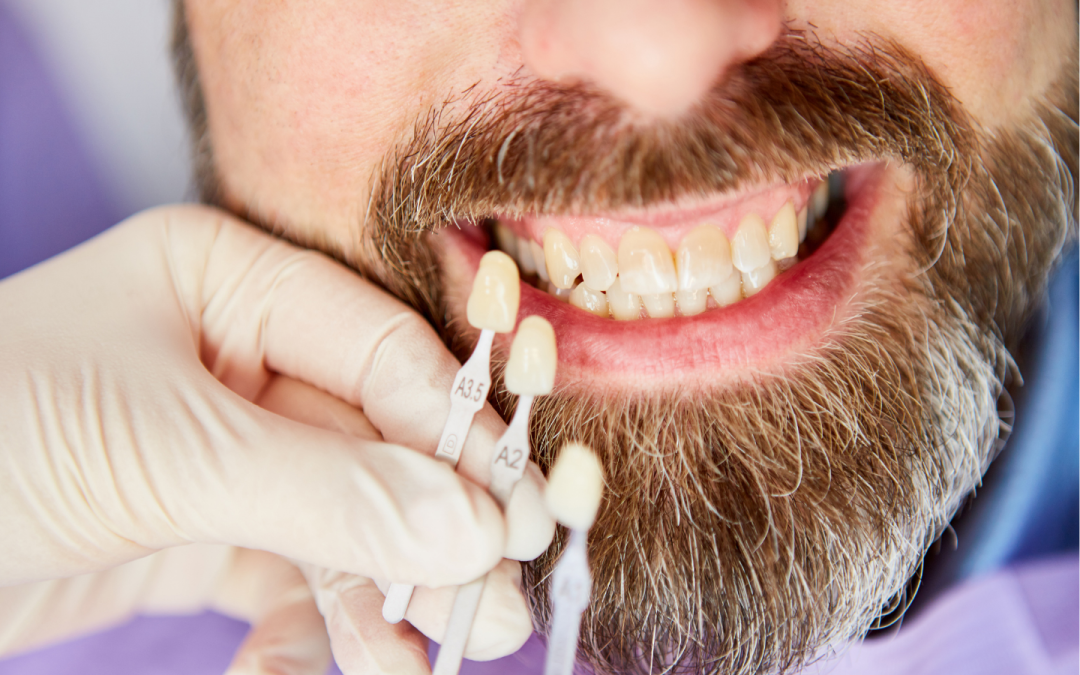
A bright, healthy smile is often one of the first things people notice. However, over time, teeth can gradually lose their natural brightness and develop stains or discoloration. Many patients are surprised to learn that tooth discoloration is not always caused by poor oral hygiene. In fact, a wide range of everyday habits, dietary choices, medications, and natural ageing processes can affect the colour of your teeth.
Understanding what causes tooth discoloration can help you take proactive steps to protect your smile and maintain a brighter appearance for years to come. At Queens Crossing Dental, we help patients identify the causes of tooth staining and recommend personalised solutions to keep their smiles looking their best.
Understanding Tooth Discoloration
Tooth discoloration generally falls into three categories:
Extrinsic Stains: These stains affect the outer enamel surface and are usually caused by food, beverages, tobacco, or inadequate oral hygiene.
Intrinsic Stains: These occur within the inner structure of the tooth and are often linked to medications, trauma, excessive fluoride exposure, or developmental conditions.
Age-Related Discoloration: As we age, enamel naturally becomes thinner, allowing the darker dentin beneath to become more visible.
Identifying the type of discoloration is important because different causes often require different treatment approaches.
1. Coffee, Tea, and Dark-Coloured Beverages
One of the most common causes of tooth staining is the regular consumption of beverages that contain strong pigments known as chromogens.
Common culprits include:
- Coffee
- Black tea
- Red wine
- Cola and dark soft drinks
- Sports and energy drinks
These beverages can gradually stain enamel and leave teeth looking yellow or brown over time.
How to Prevent It
- Drink staining beverages in moderation.
- Use a straw when appropriate.
- Rinse your mouth with water after drinking.
- Avoid sipping these drinks throughout the day.
- Maintain regular professional dental cleanings.
2. Tobacco Use
Smoking and chewing tobacco are major contributors to tooth discoloration. Tobacco contains tar and nicotine, both of which can create stubborn yellow, brown, or even black stains on teeth.
In addition to staining, tobacco use significantly increases the risk of:
- Gum disease
- Tooth loss
- Oral cancer
- Persistent bad breath
How to Prevent It
The most effective solution is to stop using tobacco products. Patients who quit often notice improvements in both the appearance of their teeth and their overall oral health.
3. Poor Oral Hygiene Habits
Plaque and tartar accumulation can cause teeth to appear dull, yellow, or stained. When plaque is not removed regularly, it hardens into tartar, which can attract additional staining compounds from foods and beverages.
How to Prevent It
Follow a consistent oral hygiene routine:
- Brush twice daily using fluoride toothpaste.
- Floss every day.
- Use an antimicrobial mouthwash if recommended.
- Visit your dentist for routine examinations and cleanings.
Regular professional cleanings can remove many surface stains before they become more difficult to treat.
4. Natural Ageing
Age-related discoloration affects nearly everyone eventually. Over time:
- Enamel naturally wears down.
- The underlying dentin becomes more visible.
- Teeth often appear darker or more yellow.
This process occurs gradually and is considered a normal part of ageing.
How to Prevent It
While ageing cannot be stopped, you can slow the appearance of discoloration by:
- Maintaining excellent oral hygiene.
- Limiting exposure to staining substances.
- Attending regular dental check-ups.
- Considering professional whitening treatments when appropriate.
5. Certain Foods
Many foods contain pigments that can contribute to staining.
Common examples include:
- Berries
- Tomato-based sauces
- Soy sauce
- Curry dishes
- Balsamic vinegar
- Beetroot
Frequent exposure to these highly pigmented foods may gradually affect tooth colour.
How to Prevent It
- Rinse your mouth after meals.
- Drink water while eating.
- Brush approximately 30 minutes after consuming acidic foods.
- Balance staining foods with crunchy fruits and vegetables that help clean tooth surfaces naturally.
6. Medications
Certain medications can cause intrinsic tooth discoloration that develops from within the tooth structure.
Examples include:
- Some antibiotics
- Certain antihistamines
- Blood pressure medications
- Chemotherapy treatments
- Specific medications taken during childhood tooth development
The severity of discoloration varies depending on the medication and individual patient factors.
How to Prevent It
Never stop taking prescribed medication without consulting your healthcare provider. If you are concerned about staining, discuss possible alternatives with your physician or dentist.
7. Dental Trauma
An injury to a tooth can sometimes damage the internal pulp tissue. As the tooth responds to trauma, it may gradually darken and appear grey, brown, or black.
This type of discoloration often affects a single tooth rather than multiple teeth.
How to Prevent It
- Wear a custom mouthguard during sports activities.
- Seek prompt dental care following any dental injury.
- Address cracked or fractured teeth before complications develop.
8. Excessive Fluoride Exposure
While fluoride helps strengthen enamel and prevent cavities, excessive fluoride exposure during childhood can occasionally lead to a condition known as fluorosis.
Fluorosis may cause:
- White spots
- Chalky patches
- Brown staining in more severe cases
How to Prevent It
- Supervise young children while brushing.
- Use age-appropriate amounts of toothpaste.
- Follow your dentist’s recommendations regarding fluoride use.
9. Dry Mouth
Saliva plays an important role in washing away food particles, bacteria, and staining compounds. Patients with dry mouth often experience increased staining and plaque accumulation.
Common causes include:
- Certain medications
- Medical conditions
- Radiation therapy
- Dehydration
How to Prevent It
- Stay well hydrated.
- Limit alcohol and tobacco use.
- Use saliva substitutes if recommended.
- Discuss persistent dry mouth symptoms with your dentist.
Professional Solutions for Tooth Discoloration
Even with excellent preventive habits, some staining may still occur. Professional dental treatments can often restore a brighter appearance more effectively than over-the-counter products.
Depending on the cause of discoloration, treatment options may include:
- Professional teeth whitening
- Dental bonding
- Porcelain veneers
- Crowns
- Professional dental cleanings
- Internal whitening for certain traumatised teeth
A comprehensive dental examination can determine which option is most appropriate for your situation.
Maintaining a Brighter Smile Long-Term
Preventing tooth discoloration is often easier than reversing it. Simple daily habits can make a significant difference:
- Brush and floss consistently.
- Limit staining foods and beverages.
- Avoid tobacco products.
- Attend regular dental check-ups.
- Address oral health concerns promptly.
- Consider professional whitening maintenance when recommended.
By understanding the common causes of tooth discoloration and taking preventive steps early, you can help preserve the natural appearance of your smile for years to come.
When Should You See a Dentist About Tooth Discoloration?
While many types of staining are harmless, sudden or severe discoloration may indicate an underlying dental issue that requires professional attention.
Schedule an evaluation if you notice:
- Rapid colour changes
- Discoloration affecting only one tooth
- Staining accompanied by pain or sensitivity
- Darkening following dental trauma
- Whitening products that fail to improve the appearance of your teeth
Early diagnosis often leads to more effective treatment and better long-term results.
Keep Your Smile Looking Its Best
A brighter smile starts with understanding what causes discoloration and how to prevent it. Whether your staining is caused by diet, ageing, lifestyle habits, or underlying dental concerns, professional guidance can help you find the most effective solution.
At Queens Crossing Dental in Flushing, NY, our team provides comprehensive preventive care, cosmetic dentistry, and personalised treatment plans to help patients maintain healthy, confident smiles. If you are concerned about tooth discoloration or would like to explore professional whitening options, schedule a consultation with our experienced dental team today.
Frequently Asked Questions
Q: What is the most common cause of tooth discoloration?
A: Coffee, tea, tobacco use, and poor oral hygiene are among the most common causes of tooth staining. Natural ageing also contributes to gradual discoloration over time.
Q: Can yellow teeth become white again?
A: In many cases, yes. Professional teeth whitening and other cosmetic dental treatments can often significantly improve the appearance of stained or discoloured teeth.
Q: Are some tooth stains permanent?
A: Certain intrinsic stains caused by trauma, medications, or developmental conditions may not respond fully to whitening. Alternative cosmetic treatments such as veneers or bonding may be recommended.
Q: How can I prevent staining from coffee and tea?
A: Drinking water after consumption, limiting prolonged exposure, using a straw when possible, and maintaining regular dental cleanings can help reduce staining.
Q: When should I be concerned about tooth discoloration?
A: If discoloration develops suddenly, affects only one tooth, occurs after an injury, or is accompanied by pain or sensitivity, it is important to seek professional dental evaluation.
Recent Comments