
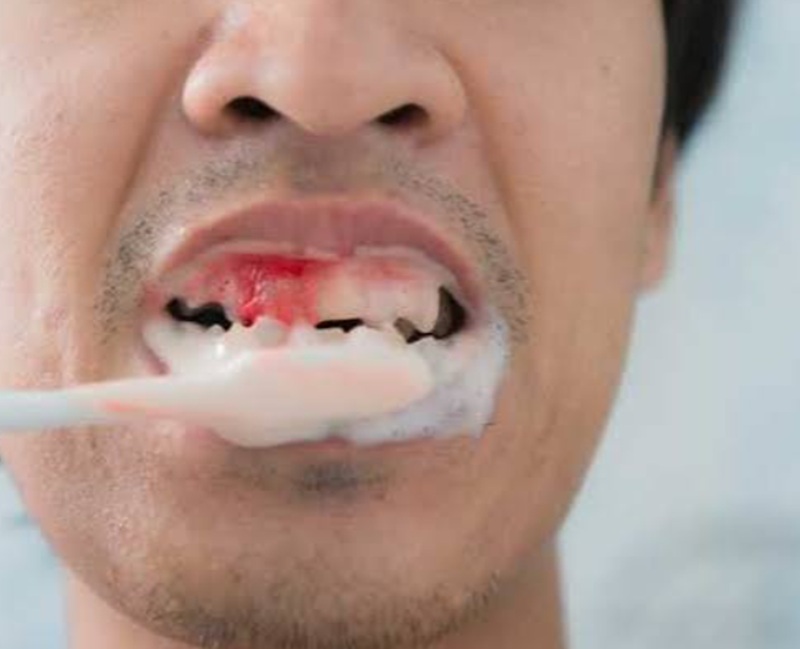
Seeing blood in the sink after brushing your teeth can be alarming. While occasional bleeding may happen if you’ve flossed too aggressively or started a new oral hygiene routine, gums that bleed regularly should never be ignored. Healthy gums generally do not bleed during brushing or flossing. Persistent bleeding is often an early warning sign that your gums are inflamed or that an underlying dental condition needs attention. The good news is that many causes of bleeding gums can be treated successfully when identified early.
Understanding why your gums bleed and knowing when to seek professional care can help protect your teeth, gums, and overall oral health.
Why Healthy Gums Should Not Bleed?
Your gums form a protective seal around your teeth, helping keep bacteria away from the underlying bone and supporting tissues. When plaque accumulates along the gumline, bacteria release toxins that irritate the gum tissue. Your body’s immune system responds by causing inflammation, making the gums swollen, tender, and more likely to bleed during brushing or flossing. Although bleeding itself may seem minor, it often signals that your gums need attention before the condition progresses.
Common Causes of Bleeding Gums
Several factors can contribute to bleeding gums, ranging from temporary irritation to more advanced gum disease.
1. Gingivitis
The most common cause of bleeding gums is gingivitis, the earliest stage of gum disease. Plaque that is not removed daily hardens into tartar, allowing bacteria to remain along the gumline. This causes inflammation without affecting the bone supporting your teeth.
- Bleeding during brushing or flossing
- Red or swollen gums
- Tender gum tissue
- Persistent bad breath
The good news is that gingivitis is usually reversible with professional dental cleanings and improved oral hygiene.
2. Periodontitis
If gingivitis is left untreated, it can progress to periodontitis, a more advanced form of gum disease. The infection spreads beneath the gumline, damaging the tissues and bone that support your teeth.
- Frequent gum bleeding
- Receding gums
- Loose teeth
- Persistent bad breath
- Pain while chewing
- Changes in your bite
Unlike gingivitis, periodontitis requires professional periodontal treatment to control the disease and prevent further damage.
3. Brushing Too Aggressively
Using excessive force or a hard-bristled toothbrush can irritate healthy gum tissue. Many people believe brushing harder cleans better, but aggressive brushing may actually damage enamel and contribute to gum recession. A soft-bristled toothbrush with gentle circular motions is generally recommended for effective cleaning.
4. Inconsistent Flossing
If you begin flossing after not doing so for a long time, your gums may bleed during the first several days. This occurs because inflamed gums are already irritated by plaque buildup. As plaque is removed consistently and the gums become healthier, the bleeding usually improves within one to two weeks.
5. Poor Oral Hygiene
Skipping brushing or flossing allows plaque and bacteria to accumulate quickly. Over time, this leads to:
- Gum inflammation
- Tartar buildup
- Increased bleeding
- Greater risk of gum disease
Maintaining a consistent daily oral hygiene routine is one of the most effective ways to prevent bleeding gums.
6. Certain Medical Conditions and Medications
In some cases, bleeding gums may be associated with general health conditions or medications. Examples include:
- Blood-thinning medications
- Diabetes
- Hormonal changes during pregnancy
- Vitamin C or vitamin K deficiencies
- Certain immune disorders
If bleeding persists despite good oral hygiene, your dentist may recommend discussing your symptoms with your physician.
When Should You Be Concerned?
Occasional bleeding after vigorous brushing may not indicate a serious problem. However, you should schedule a dental examination if you notice:
- Bleeding every time you brush or floss
- Swollen or painful gums
- Bad breath that does not improve
- Gum recession
- Loose teeth
- Pus around the gums
- Bleeding lasting longer than one week
Early evaluation often allows treatment before permanent damage occurs.
How Dentists Treat Bleeding Gums!
Treatment depends on the underlying cause.
Professional Dental Cleaning
If plaque and tartar are causing inflammation, a professional cleaning removes deposits that cannot be eliminated with brushing alone. Many patients notice significant improvement after their cleaning combined with better home care.
Scaling and Root Planing
For more advanced gum disease, your dentist may recommend scaling and root planing. This deep cleaning procedure:
- Removes bacteria beneath the gums
- Smooths root surfaces
- Helps gums reattach to teeth
- Reduces inflammation
It is one of the most effective non-surgical treatments for periodontitis.
Improving Home Care
Your dentist may also recommend:
- Brushing twice daily with a soft-bristled toothbrush
- Daily flossing
- Using fluoride toothpaste
- Cleaning along the gumline carefully
- Antimicrobial mouth rinses when appropriate
Consistent home care is essential for preventing recurrence.
How to Prevent Bleeding Gums?
Simple daily habits can significantly reduce your risk of gum disease. These include:
- Brush twice every day for two minutes.
- Floss daily to remove plaque between teeth.
- Replace your toothbrush every three to four months.
- Eat a balanced diet rich in vitamins.
- Avoid tobacco products.
- Schedule regular dental examinations and professional cleanings.
Preventive care remains the most effective way to maintain healthy gums.
Protect Your Gum Health Before Problems Progress
Bleeding gums are often your body’s first warning that something is affecting your oral health. Addressing the problem early can help prevent gum disease, preserve your teeth, and support your overall well-being.If your gums bleed regularly while brushing or flossing, Queen Crossing Dental provides comprehensive dental examinations, professional cleanings, and periodontal care for patients throughout Flushing, Whitestone, Bayside, and surrounding communities. Our team is committed to identifying the cause of your symptoms and creating a personalised treatment plan to help you maintain healthy teeth and gums for years to come.
FAQs
Q: Is it normal for my gums to bleed every time I brush?
A: No. Healthy gums should not bleed regularly during brushing or flossing. Persistent bleeding is often an early sign of gum inflammation or gum disease and should be evaluated by a dentist.
Q: Can bleeding gums heal on their own?
A: Mild gingivitis may improve with consistent brushing, flossing, and professional dental cleanings. However, if bleeding continues, it is important to schedule a dental examination to identify the underlying cause before it progresses.
Q: Should I stop brushing if my gums bleed?
A: No. Continue brushing gently with a soft-bristled toothbrush and floss daily. Stopping your oral hygiene routine allows more plaque to accumulate, which can worsen gum inflammation.
Q: When should I see a dentist about bleeding gums?
A: You should schedule a dental appointment if bleeding occurs frequently, is accompanied by swollen or painful gums, persistent bad breath, loose teeth, or does not improve after one week of good oral hygiene.
Recent Comments